Learning from California's Climate Superfund proposals
Who should help pay for climate damage? Two California bills proposed a new answer—and offer a useful case study in how environmental policy moves from an idea to legislation.
What the proposals aimed to do
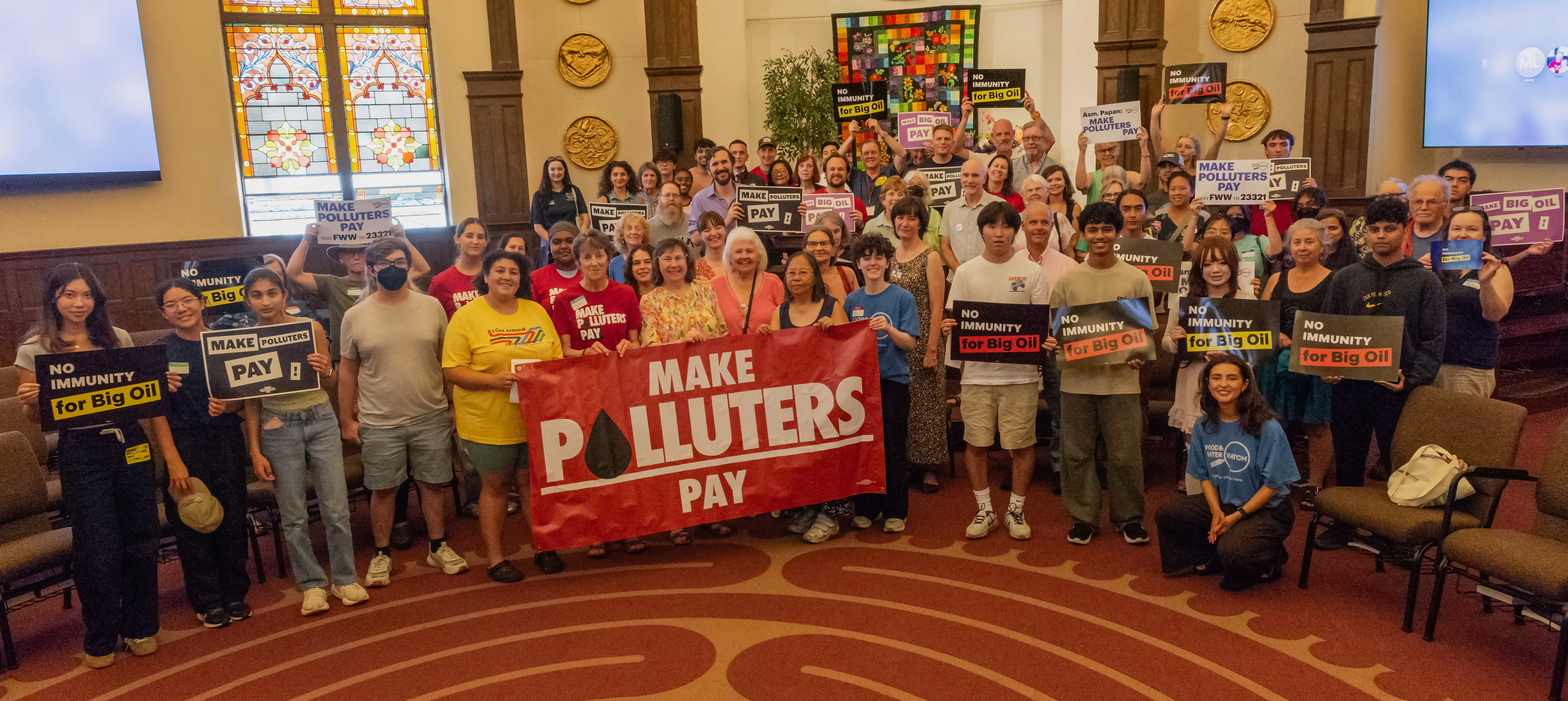
California Assembly Bill 1243 and Senate Bill 684 were parallel 2025 proposals called the Polluters Pay Climate Superfund Act. They would have required certain large fossil-fuel companies to contribute toward California's climate-related costs based on their share of covered global emissions.
The proposed California Environmental Protection Agency program would have considered covered emissions released from 1990 through 2024. Companies above the proposed threshold—more than one billion metric tons of covered worldwide emissions—would have received a proportional share of the state's assessed climate costs.
From climate costs to community projects
The bills called for a study of past and projected climate damage from 1990 through 2045. Funds could then have supported projects that prepare for, reduce, repair, or respond to climate-related harm. At least 40% of program funding would have directly benefited disadvantaged communities.
Those details turn an abstract policy question into choices students can discuss: which harms count, how responsibility is measured, who benefits first, and which local resilience projects deserve priority?
A proposal is not a law
Neither bill became California law. California Legislative Information lists AB 1243 and SB 684 as inactive bills that died during the 2025–2026 legislative session. That status is part of the lesson: studying a proposal means examining what lawmakers considered, not describing a program currently in effect.
Discuss after playing
Debrief questions
- Which part of the proposal surprised you most, and why?
- Why might a climate program reserve funding for disadvantaged communities?
- Which local resilience project would you prioritize: wildfire protection, cleaner air, schools, flood protection, emergency response, homes, or urban trees?
- How is learning about a proposed bill different from learning about a law already in effect?
Educational summary prepared by IRISTEM from the 2025 bill text and official legislative status. Legislative information can change; verify the linked records before reusing this activity.