Why Research Translation Matters for Broader Impacts
Scientific research can shape how communities understand climate, engineering, health, technology, and the environment. Yet research findings are usually written for specialist audiences. Without deliberate translation, younger students and community learners may never encounter ideas that could inform, inspire, or directly affect them.
Connecting the lab and the classroom
Research translation is more than shortening a paper. It means identifying the central question, explaining unfamiliar vocabulary, showing why the findings matter, and designing a path for learners to engage with the idea. A strong resource respects the science while meeting students at an appropriate level.
This work can take many forms: a youth-friendly explainer, a visual summary, a classroom lesson, a worksheet, a hands-on activity, or a discussion guide. The right format depends on the research, the learners, and the intended setting.
Supporting Broader Impacts goals
Education and public engagement are important ways for research teams to extend the value of their work beyond academic publication. Accessible resources can help projects reach schools, youth organizations, and community partners while creating concrete examples of educational activity.
Participation information, student feedback, and summary reporting can also help describe who was reached and how learners engaged with the material.
Why student creators matter
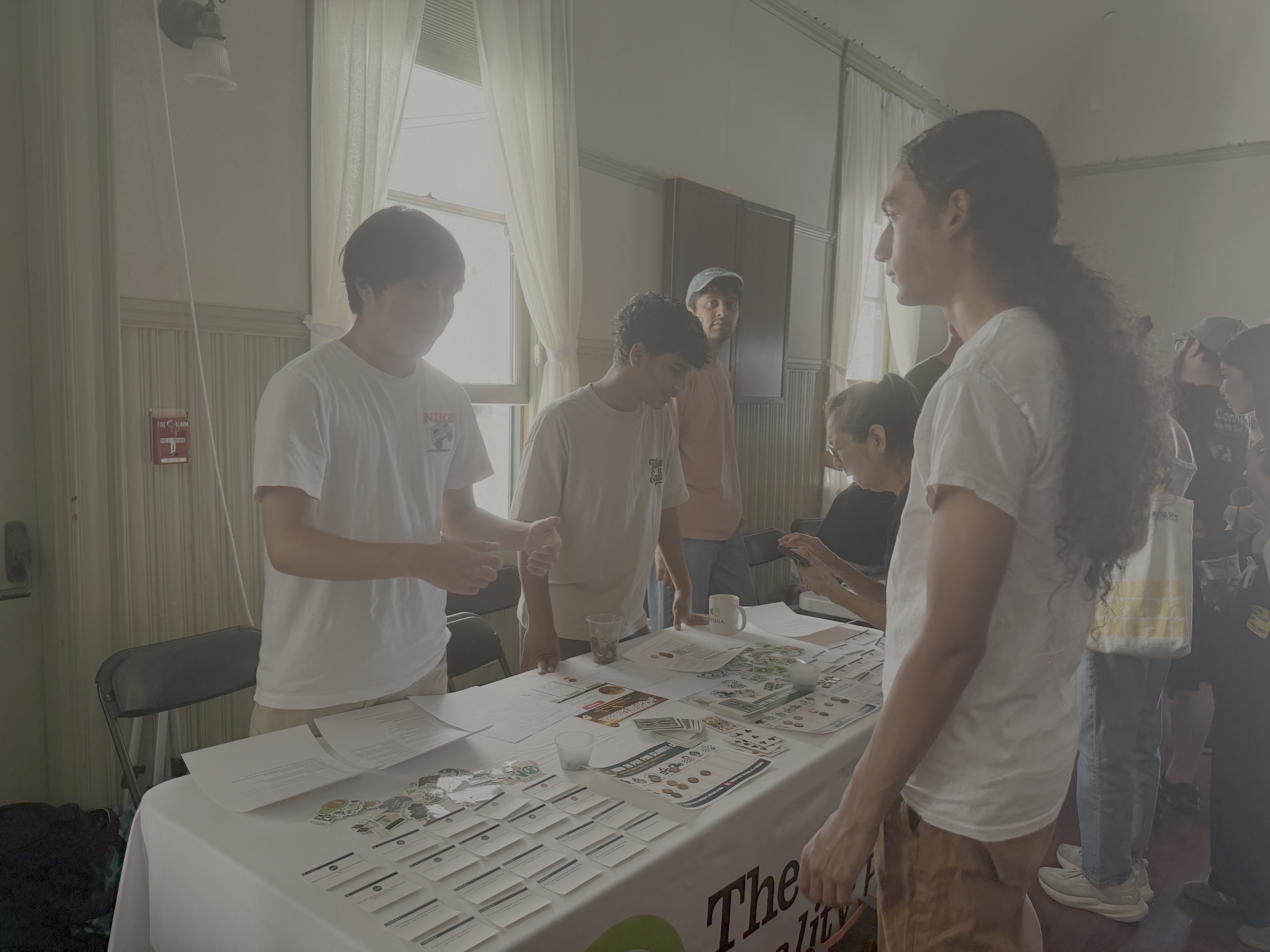
Students remember what made a difficult topic confusing and what helped it become understandable. That perspective helps IRISTEM identify missing context, improve explanations, and create learning experiences that feel relevant to younger audiences.
By pairing that student perspective with researchers’ subject-matter expertise, IRISTEM helps turn advanced work into accurate, approachable education.